Britain has one of Europe's most extensive public transport networks, connecting cities, towns, and rural areas.
London's 11-line Underground network serves 272 stations across the capital and connects to Heathrow Airport. Use Oyster or contactless to pay.
An extensive rail network connecting all major cities and regions across England, Scotland, Wales and Northern Ireland. Advance tickets offer big savings.
National Express and Megabus provide affordable intercity coach travel. Local buses serve towns and rural areas not covered by rail.
Black cabs are iconic in London; Uber and Bolt operate in major cities. Always use licenced taxis — avoid unlicensed "minicabs" at airports.
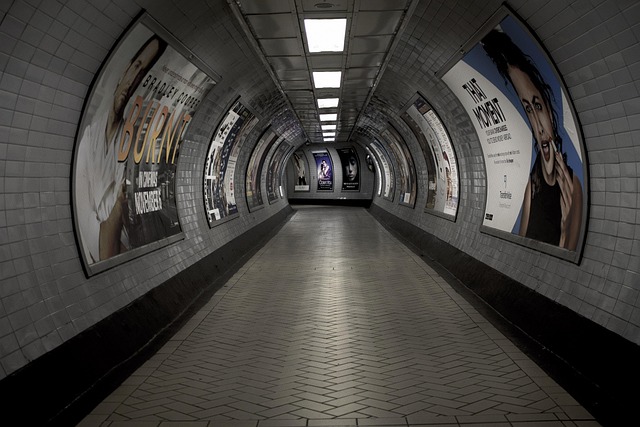
The UK's transport infrastructure ranges from the world-famous London Underground to the scenic scenic rail routes through the Scottish Highlands. Whether you are zipping between boroughs on the Tube, travelling between cities on a high-speed InterCity train, or hopping on a local bus to explore the countryside, public transport provides a convenient and often scenic way to experience Britain.
Mobile apps such as Trainline, Citymapper, and National Rail Enquiries make planning and booking straightforward. Download these before arriving in the UK for seamless navigation.
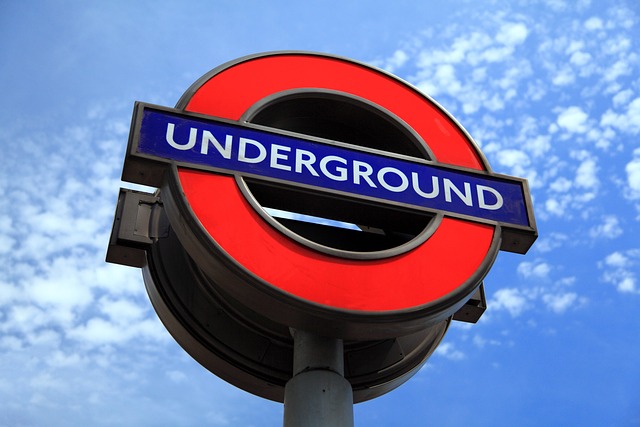
The London Underground — affectionately known as "the Tube" — opened in 1863 and is the world's oldest metro system. Today it carries over 1.3 billion passenger journeys annually across 11 colour-coded lines.
National Rail connects over 2,500 stations across the UK. High-speed services like Avanti West Coast and LNER link London to Edinburgh in around 4.5 hours and to Manchester in just over 2 hours.
Advance tickets release 12 weeks before travel and can be 50–80% cheaper than walk-up fares.
The 16-25 Railcard, Senior Railcard, and Two Together Railcard offer 1/3 off most rail fares.
International visitors can purchase BritRail passes for unlimited travel over set periods — great value for touring multiple regions.
Compare prices across all operators and book mobile tickets with live delay alerts — the most convenient way to travel by rail.
Never buy paper single tickets in London — they are significantly more expensive. Contactless bank cards automatically cap your fare so you never pay more than the daily maximum.
Advance single tickets are the cheapest option for intercity rail travel. Set a calendar reminder for 12 weeks before your planned journey date and book the moment tickets are released.
National Express and Megabus fares can be as low as £1–£5 if booked early. The journey takes longer but is a great budget option for overnight or early-morning travel between cities.
A 16-25 Railcard (£30/year) saves 1/3 on rail fares. It pays for itself with just two or three journeys. Visitors aged 26–30 can also get the 26-30 Railcard, and families can benefit from the Family & Friends Railcard.
Buying two separate tickets for different legs of the same journey can sometimes be significantly cheaper than one through ticket. Apps like "Split My Fare" calculate the best splits automatically.
London's Santander Cycles (Boris Bikes) are available for short journeys from £1.65 for 30 minutes. Edinburgh, Manchester, and other cities also have public bike hire schemes. Walking between nearby attractions saves money and lets you discover hidden gems.
| Ticket Type | Approx. Cost | Best For | Where to Buy |
|---|---|---|---|
| Oyster Card (London) | £7 deposit + top-up | Multiple Tube/bus journeys in London | Tube stations, Gatwick/Heathrow |
| Contactless Payment | Same as Oyster — auto-capped | Visitors with contactless bank cards | Any card reader on Tube/bus |
| Advance Train Ticket | £5 – £50+ (varies) | Specific intercity journeys booked early | Trainline, National Rail, operator sites |
| Off-Peak Day Return | £15 – £80+ | Day trips from cities; flexible timing | Station ticket office or self-service |
| BritRail Pass (7-day) | From ~£200 (adults) | International tourists touring multiple regions | Before arrival — BritRail website |
| National Express Coach | £5 – £35 | Budget intercity travel; less time-critical | nationalexpress.com, coach station |
| Megabus | £1 – £25 | Ultra-budget travellers booking far ahead | uk.megabus.com |
Our guided tours include all transport between key sites — sit back and enjoy the journey.
View Our Tours All Travel Tips